







Search Results for: Orange Honey Process
Flavor Analysis and Brewing Suggestions for Guatemala Santa Felisa Estate Geisha Orange Honey Process Coffee
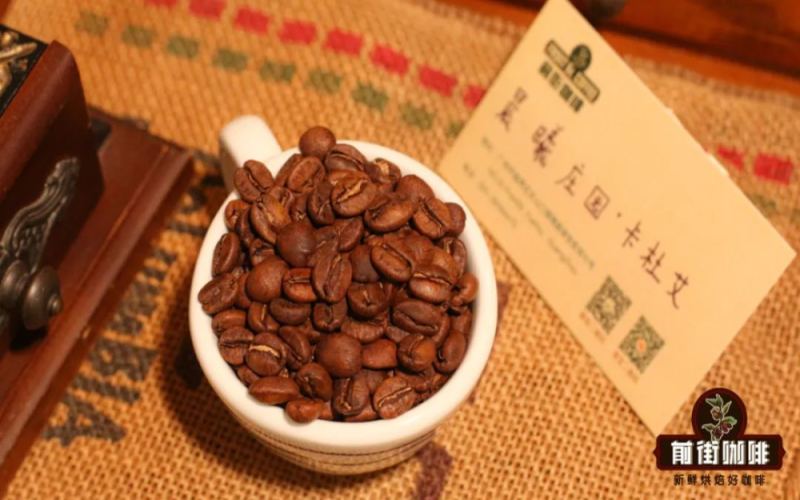
Guatemala, with its high-altitude volcanic terrain and diverse microclimates, has become an important producer of specialty coffee in Central America, and its coffees often carry a distinctive smoky note in the finish. Finca Santa Felisa in the Acatenango region, founded in 1904 and now passed down through four generations, is known for its meticulous management and diverse processing methods. This article focuses on the estate's Geisha Orange Honey process lot, analyzing its flavor layers from grinding to tasting, including floral notes, honey, blueberry, apricot, and bergamot, while also introducing the estate's practices in varieties, post-harvest processing, and human care. It also shares Front Street Coffee's brewing parameters and bean-resting recommendations to help coffee enthusiasts better present the delicate elegance of this bean. [more…]
Honey Processed Coffee Classification Explained: Pectin Retention and Flavor Differences Between Black Honey, Red Honey, Orange Honey, Yellow Honey, and White Honey
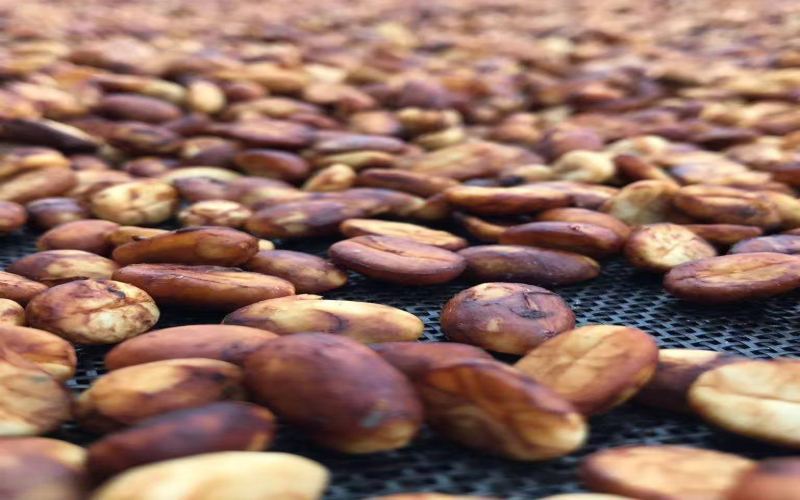
Honey processing does not mean processing coffee with honey; rather, it is a green bean processing method that retains mucilage for fermentation and drying. It originated from Brazil's pulped natural method and was later improved in Central and South America, being subdivided by mucilage retention and turning frequency into types such as black honey, red honey, orange honey, yellow honey, and white honey. Different honey colors correspond to different drying durations, turning frequencies, and cup flavors. This article will break down everything from the structure of the coffee cherry and the properties of mucilage to each honey processing grade, and includes Front Street Coffee's Guatemala New Oriental Geisha recommendation and pour-over suggestions to help coffee lovers understand the source of sweetness in honey processing and the key brewing points. [more…]
Flavor Characteristics of Guatemala New Oriente Caldillas Estate Pink Bourbon Honey Process Coffee Beans and Pour-Over Brewing Parameters
Guatemala is a pivotal coffee-producing country in Central America, divided into eight major regions nationwide. Among them, the New Oriente region, though developed relatively late, nurtures coffee with excellent acidity and aroma due to its volcanic geology and abundant rainfall. This article focuses on the Pink Bourbon variety produced at Finca El Cañal, a mutation of the Bourbon variety. After honey processing, it presents orange, honey limeade, caramel, and roasted almond cocoa finish notes, with a smooth and sweet mouthfeel. Front Street Coffee brings a pour-over extraction analysis of this bean, explaining step by step from the V60 dripper, water temperature, grind size to the staged pouring rhythm, helping coffee enthusiasts replicate the unique smoky and chocolate flavors at home. [more…]
A Detailed Guide to Single-Origin Coffee Classification: A Comprehensive Analysis of Flavor Characteristics Across Major Producing Regions from Africa to the Americas and Differences in Coffee Shop Flavors
Have you ever walked into a specialty coffee shop, faced the dazzling array of single-origin coffees on the menu, and felt at a loss where to begin? Single-origin coffee refers to coffee made from beans sourced from a single origin, and it can be traced back to a specific region or even estate. This article will systematically sort through the representative single-origin coffees from major producing regions such as Africa, Central and South America, and Asia, introduce Front Street Coffee's rigorous process from roasting curve testing to cupping selection, and present the flavor descriptions of coffee beans from each region one by one, helping you find the cup that best suits your taste. [more…]

What Is the Difference Between Natural and Honey Processed Coffee Beans? From Processing Flow to Sweetness Performance, Explained Clearly at Once
Washed, natural, and honey processing are the three traditional coffee processing methods. Among them, natural and honey processing both carry sweetness and fermented notes, often making them hard to distinguish. From the perspective of Front Street Coffee, this article first introduces the structure of the coffee berry and the key points of screening before processing, then breaks down the complete processes of natural processing and honey processing respectively, including the drying and depulping steps of natural processing, the pectin retention ratio of honey processing, and the differences between yellow honey, red honey, black honey, and raisin honey processing. The article also compiles the roasting recommendations, cupping reports, and brewing parameters for two representative beans — Front Street Yirgacheffe Natural Red Cherry and the Front Street Musician Series Bach — helping coffee enthusiasts understand the source of flavor from the perspective of processing methods. [more…]
Front Street Costa Rica Mozart Roast Log: A Comparison of Six Batches Across Two Approaches, with Brewing Recommendations
When faced with a new bean, roasters typically start by gathering origin information and the flavor descriptions provided by the green bean supplier, then gradually adjust through test roasts and cupping. Front Street Coffee Costa Rica Mozart is known for its unique raisin honey process and complex aroma. This article documents the complete roasting exploration process for this bean: first, three test roasts were conducted using a stepwise decreasing heat and extended dehydration approach, but cupping revealed the flavor was rather light; subsequently, three more roasts were done using rapid dehydration and increased heat to drive aroma, and ultimately a curve combining floral notes and fermented winey aroma was selected. The article also includes pour-over extraction parameters and brewing techniques for coffee enthusiasts' reference. [more…]
Front Street Ethiopian Washed Harar Coffee Beans: A Rare Flavor of Orange Peel Interwoven with Black Tea
On the eastern highlands of Ethiopia, Harar is an ancient city with a deep heritage in the coffee trade. The coffee produced here has always been known for the fruity and wine-like notes of its natural beans, while washed Harar is an extremely rare specialty lot, with a defect rate of only 1%, supplied exclusively to the specialty coffee market in scarce quantities. This Front Street washed Harar is sourced from surrounding growing areas at an altitude of about 2,600 meters, of the Heirloom variety, mainly longberry beans. Under medium-light and medium roasts, it presents a complex flavor interweaving honey sweetness, orange peel, fine black tea, and chocolate, with a solid body and a long finish. This article will guide you through the background of the Harar growing region, the rarity of the washed process, and how the flavors of this bean change under three roast levels, so you can experience its unique exotic charm. [more…]
How to drink Costa Rican Red Honey coffee beans? Hand-brew parameters and flavor analysis of Hacienda El Mirador Catuai
Costa Rica is renowned for its honey-processed coffee, and Hacienda El Mirador in the Tarrazú region is a prime example. This Front Street Coffee Costa Rica Hacienda El Mirador Red Honey Catuai comes from the Tarrazú region at an altitude of 1,750 meters, employs the red honey process, and showcases rich flavors of sweet orange, cream, grapefruit, honey, and black tea. This article will guide you through Hacienda El Mirador's growing background, the characteristics of the Catuai variety, and the features of the red honey process, while sharing Front Street's cupping experience and pour-over parameter recommendations to help you better brew this exceptionally sweet coffee. [more…]

Costa Rica Canet Estate Musician Series Mozart: Raisin Honey Process Coffee Bean Flavor and Roast Analysis
Costa Rica Canet Estate's Musician Series Mozart is a specialty coffee crafted using the raisin honey process. The estate is located in the highest-altitude zone of the Tarrazu region, where coffee-growing areas are limited and yields are scarce. Mozart uses Caturra and Catuai varieties, and through hand-picking and meticulous processing, it presents rich layers of raisin, osmanthus, sweet orange, berry, pineapple, caramel, and toffee. This article will provide a complete analysis of this coffee's flavor code, from the terroir of the producing region, the estate's background, processing techniques, green bean varieties, and roasting curve to brewing suggestions. Front Street Coffee recommends hand-brewing extraction, using a V60 dripper with a water temperature of 90°C to fully bring out its complex floral aroma and fermented sweetness. [more…]
Honey-Processed Coffee Beans: A Complete Guide to Pectin Retention and Flavor Differences from White Honey to Black Honey
Honey processing is not about processing coffee beans with honey, but rather about retaining different proportions of mucilage for fermentation and drying, thereby creating a rich layering of sweetness and fruity notes. This article will trace the evolution of honey processing from Brazil's pulped natural method to its refinement in Central and South America, explain in detail the key role of mucilage in fermentation, and compare one by one the mucilage retention, drying duration, turning frequency, and raw bean appearance and aroma characteristics of white honey, yellow honey, red honey, and black honey. At the same time, the article also introduces the honey-processed Guatemala New Oriente Geisha on Front Street Coffee's bean list, whose sweet orange, toffee, and bergamot flavors are deeply impressive. [more…]
Flavor Analysis and Pour-Over Parameters of Panama Finca El Fuego Honey-Processed Catuai
What flavors does the honey-processed Catuai from Panama's Firestone Estate actually present? This article provides a complete analysis of this bean's characteristics, from its variety background and regional terroir to specific brewing methods. As a hybrid of Caturra and Mundo Novo, Catuai combines high yield with stress resistance, while Firestone Estate's honey processing gives it layers of lemon, orange, cranberry, and green tea. The article also records in detail Front Street Coffee's pour-over parameters: 15g of grounds, medium grind, V60 dripper, 88-89°C water temperature, a 1:15 water-to-coffee ratio, along with the complete operating procedure of staged pouring and a 2-minute extraction time, for coffee enthusiasts to reference and practice. [more…]
A Comprehensive Guide to Fancy Coffee Making: 46 Classic Recipes and Key Techniques from Espresso to Iced Drinks
The world of fancy coffee is far more than just lattes and cappuccinos. This article systematically organizes the recipes and preparation techniques for 46 classic fancy coffees, covering two major categories: hot drinks and iced drinks. From the basics of espresso, au lait, and macchiato, to Irish coffee and royal coffee with their hints of liquor, and on to iced lattes and beer iced coffee suited for summer, each entry lists the required materials, specific steps, and key operational points, helping you master the flavor characteristics and serving essentials of different coffees. The article also retains relevant recommendations from the Front Street brand, providing a practical reference for coffee enthusiasts. [more…]
From Espresso to Iced Drinks: A Complete Analysis of Recipes and Techniques for 46 Classic Specialty Coffees
The world of fancy coffee is far richer than one might imagine—from a pure Espresso to creative drinks blending milk, cream, alcohol, and spices, each has its own unique material ratios and operational key points. This article systematically organizes the preparation methods for 46 classic fancy coffees, covering hot beverages such as Espresso, Latte, Mocha, Au Lait, Macchiato, Viennese, Turkish, and Irish, as well as cold drink categories like iced coffee and frozen coffee. Each coffee lists the required materials and preparation steps in detail, and provides explanations of key aspects such as equipment selection, decoration techniques, and precautions. Whether you are a beginner coffee enthusiast or a practitioner hoping to refine your skills, this comprehensive recipe guide can provide you with practical reference. [more…]
Costa Rica Canet Estate Musician Series Mozart: Raisin Honey Processing Flavor and Brewing Analysis
Costa Rica's Canet Estate Musician Series Mozart presents a complex and captivating flavor profile through its raisin honey process. This coffee comes from the high-altitude region of Tarrazú, using Caturra and Catuai varieties, and employs a nearly zero-water-waste honey processing method that preserves the complete mucilage. After careful drying and roasting, it reveals rich layers of raisin, osmanthus, sweet orange, and berry notes. Front Street Coffee will guide you through an in-depth look at Canet Estate's growing background, the key steps of raisin honey processing, green bean characteristics, and roasting curves, along with pour-over parameter recommendations to help you better capture the unique charm of this Mozart coffee. [more…]

A Detailed Explanation of Costa Rica's Red Honey Processing Method and a Full Analysis of Hacienda El Mirador's Cultivated Varieties
Costa Rican honey-processed coffee has long been famous for its outstanding sweetness, and Hacienda El Mirador is one of the representatives of this style. This micro-estate, located in the Tarrazú region, sits in a valley at an altitude of 1,750 meters and mainly cultivates three varieties: Catuai, Ethíopia 47, and Geisha. The red honey-processed Catuai from Hacienda El Mirador that Front Street Coffee has acquired this time is presented as a medium-light roast and, in cupping, displays rich layers of sweet orange, cream, grapefruit, honey, and black tea. This article will guide you through the specific steps of red honey processing, as well as the cultivated varieties and estate story of Hacienda El Mirador, to explore the mystery of honey-processed sweetness together. [more…]

Guatemala's Youngest Region New Oriente: The Flavor Code and Full Brewing Analysis of Honey-Processed Geisha
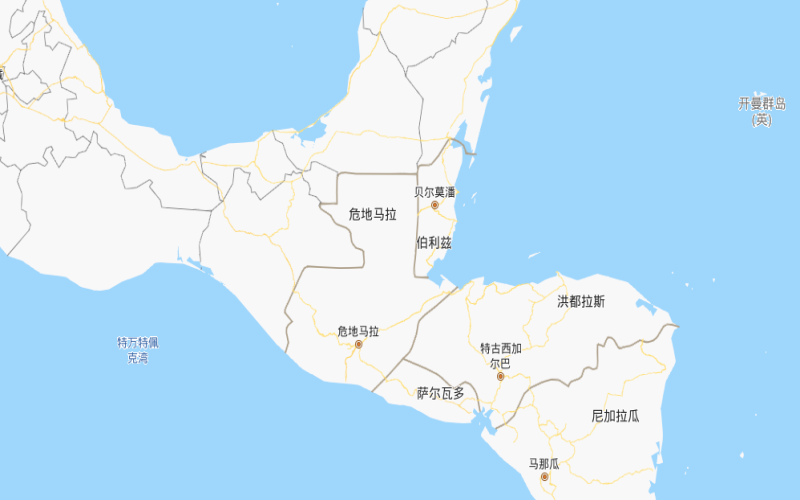
Guatemala's youngest coffee-producing region, New Oriente, with its high altitude, volcanic metamorphic rock soil, and abundant rainfall, provides a uniquely favorable growing environment for Geisha. This New Oriente Geisha brought to you by Front Street Coffee is honey-processed and roasted to a medium-light level, presenting a complex flavor profile of sweet orange, magnolia, citrus, and toffee. This article will begin with the layout of Guatemala's eight major producing regions, trace Geisha's come-from-behind journey from Ethiopia to Hacienda La Esmeralda in Panama, and then turn to the specific brewing recipe and tasting performance of this bean, giving you a complete understanding of the unique charm of New Oriente Geisha. [more…]
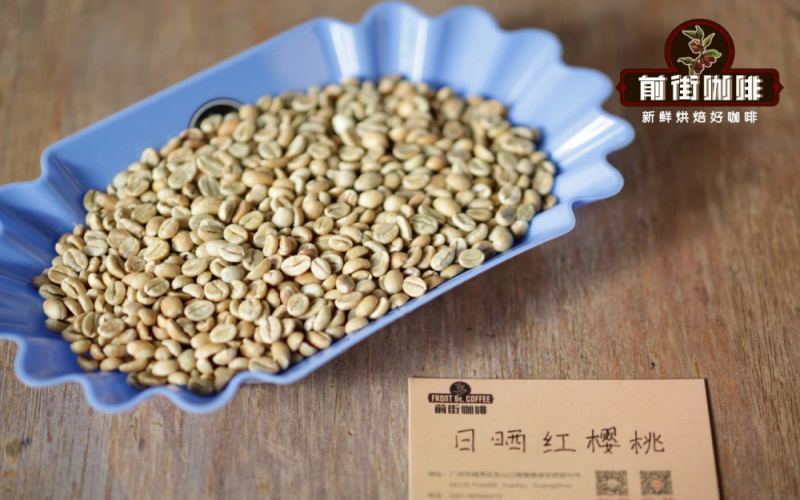
Front Street Yirgacheffe Red Honey Fully Ripe Cherry Flavor Analysis and Pour-Over Parameter Guide
Yirgacheffe, as one of Ethiopia's most representative regions, has always been loved for its bright floral and fruity notes. The introduction of the red honey process allows this classic region to retain its cleanliness while gaining fuller sweetness and body. This article focuses on the Front Street Coffee Yirgacheffe Gersi red honey processed lot, tracing its flavor sources one by one—from the all-red cherry picking standard, 58-hour anaerobic pre-fermentation, and extended sun-drying of more than 15 days, to the process of depulping while retaining more mucilage. This G1 lot, custom-made by DWD for China Tea, shares the same region, same bean variety, and same processing plant as Aodibei Yirga Cherry. After light roasting, flavors of jasmine, elderflower, oolong tea, strawberry, orange, nectarine, pineapple, and mango interweave, with high sweetness and a strong finish, combining the cleanliness of a washed coffee with the smoothness of juice. [more…]
Front Street Coffee Panama Firestone Estate Honey-Processed Catuai Flavor Analysis and Pour-Over Parameters Explained in Detail
The honey-processed Catuai from Panama's Fuego Estate is one of Front Street's most distinctive single-origin beans. It comes from the Solo Fuego producing region and is medium-roasted. In cupping it shows a complex profile of lemon, orange, cranberry and green tea, with rich fruit acidity, prominent sweetness, an even and smooth body, and a long, lingering finish accompanied by gentle floral notes. Catuai itself is a cross between Caturra and Mundo Novo, with a short stature, resistance to wind and rain, and firm fruit, and is widely planted in Central America. This article will outline the producing region background and variety characteristics of this bean, and provide Front Street's specific pour-over parameters, including coffee dose, grind size, water temperature, pouring rhythm and extraction time, for coffee lovers to reference and replicate. [more…]
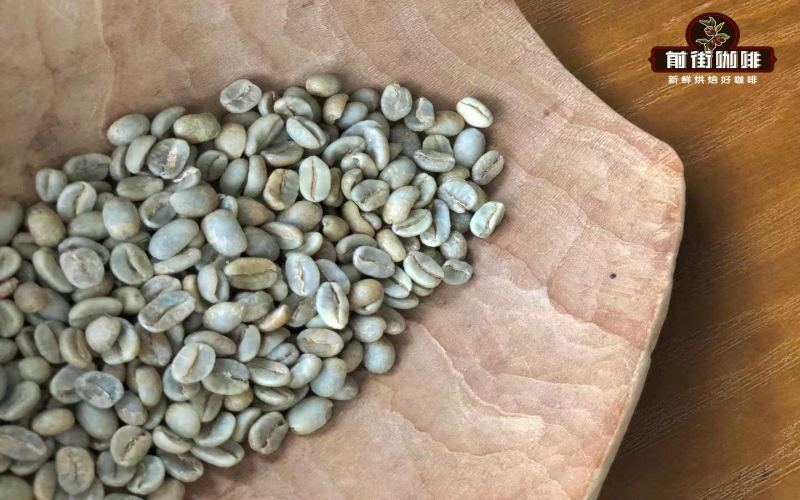
Colombia Geisha Blend Hanami Coffee Beans Review: Flavor and Mouthfeel Analysis of Huila Region
Front Street Colombia Geisha Blend · Hanami Coffee Beans come from the Mont Blanc Estate in the Huila region, at an altitude of 1,900 meters. They are a blend of three varieties—Geisha, Caturra, and Catuai—and are processed using the washed method. This coffee displays aromas of lemon, orange peel, and orange blossom; on the palate it has a lemony black tea-like sweet-tartness, accompanied by the sweet fragrances of peach, strawberry, pomelo, bergamot, and honey. The floral notes are prominent, and the mouthfeel is smooth and delicate. Although it is called a blend, it still falls within the category of single-origin coffee beans—because single-origin emphasizes the same region or estate, not a single variety. Below, we will take you through the unique charm of this coffee from two perspectives: the terroir of the region and the background of the estate. [more…]
Costa Rica La Loma Estate Coffee Bean Flavor Analysis: Cup Profile of Honey-Processed Gesha
Costa Rica's La Loma estate belongs to the Don Mayo Micro Mill family and has over twenty years of operating history, serving as an important symbol of the family's coffee legacy. The estate is located in Leon Cortes Llano Bonito in the Tarrazú region at an altitude of 1,950 meters, and in 2019 it won ninth place in the COE with a score of 88.66. Its coffee is processed using the honey method, with the variety being Gesha. In the cupping, it presents rich layers of honey, cherry, milk chocolate, vanilla, cocoa, blackberry, molasses, candy, pomelo, and black cherry, while the acidity is expressed as sweet orange and tartaric acid, with an elegant, syrupy, and balanced mouthfeel. This article will take you through the background story of this estate and the flavor characteristics of this bean. [more…]